

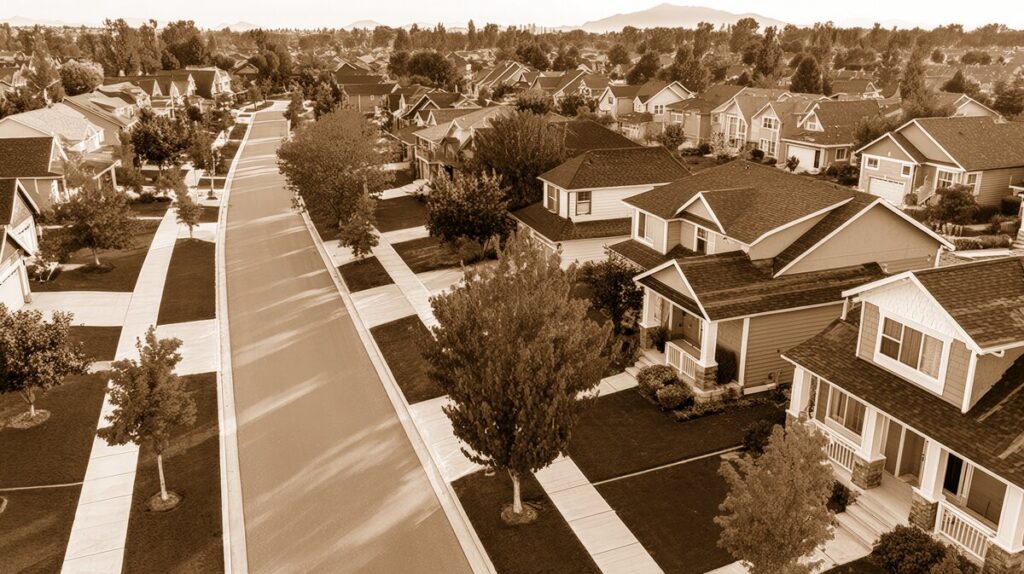
Nestled in the rolling countryside just north of downtown Wendell, Edgemont Landing is a neighborhood with deep roots and a rich story to tell. If you’ve ever driven along Old Zebulon Road and caught a glimpse of friendly porches, scenic ponds, and streets lined with mature trees, you’ve already sampled some of the charm this historic Wendell community offers. As a local, I’m delighted to share the tales, changes, and enduring spirit that make Edgemont Landing truly special.
The Origins of Edgemont Landing
Edgemont Landing’s story begins in the late 1980s—a time when Wendell was quietly growing beyond its original town core. As Raleigh expanded to the west, Wendell became a tranquil haven for those seeking a more relaxed pace but close proximity to modern amenities. The parcel of land that would become Edgemont Landing was originally farmland, owned by several local families for generations.
The name “Edgemont” draws from both the neighborhood’s geographical placement—right at the “edge” of the rolling Montague hills—and an appreciation for its elevated landscape. “Landing” was inspired by a tradition of gathering spots along creeks and greenspaces that felt like a welcoming arrival point, a natural “landing” for community life.
Key Historical Milestones
Edgemont Landing quickly became a model for suburban neighborhood planning in Eastern Wake County, thanks to its blend of tradition and thoughtful design:
- Late 1980s – Early Planning: The original development plan emphasized large lots, generous green spaces, and access to nearby Smith Creek for fishing and picnics. Early builders, guided by local architect Harold Dunn, incorporated classic southern architecture into the first row of homes along Edgemont Landing Drive and Montague Lane.
- 1993 – Community Park Established: The heart of the neighborhood, Edgemont Green, was established as a central park, featuring a gazebo and later, a playground. The park became the site of annual picnics and Fourth of July gatherings—a tradition still celebrated today.
- 2001 – Expansion and New Additions: New phases of construction expanded the neighborhood east to Hollow Oak Lane. The addition of the pond and a wooden footbridge brought even more outdoor enjoyment.
- 2010s – Embracing Growth: As wider Wendell saw a new wave of interest, Edgemont Landing balanced the influx of newcomers with a commitment to its established traditions, adding welcome signs, planting additional street trees, and founding the Edgemont Landing Neighborhood Association.
Notable Landmarks and Buildings
While Edgemont Landing feels intimate, its unique features stand out to longtime and new residents alike:
- The Edgemont Green Gazebo: More than just a pretty structure, this gazebo on Edgemont Green has hosted countless birthday parties, community meetings, and summer concerts. On warm evenings, it’s common to find neighbors sharing lemonade under its shade.
- The Old Farmstead: On the corner where Edgemont Landing Drive meets Old Zebulon Road, the old farmhouse—dating back to the early 1900s—still stands, lovingly preserved by the Sanders family. Locals love its red barn doors and creaky porch swing.
- The Community Pond: Ducks, turtles, and fishing poles find a home here. Families often stroll the looping path around the water, greeting friends, and admiring the seasonal blooms.
- Historic Montague Lane: The gentle curve of Montague Lane is a nod to early roadways that followed nature’s course. Homes here showcase a mix of craftsman, colonial, and Cape Cod styles, many with the original brick walkways and mailboxes that were part of the neighborhood's first phase.
Evolution Over the Decades
Edgemont Landing has changed alongside Wendell, but its core values—the sense of belonging, stewardship to the land, and a slower, more mindful pace—have stayed strong.
- 1990s: The neighborhood’s early years were marked by close-knit gatherings and community-led events, with many residents active in both neighborhood and town volunteer initiatives, like tree-plantings and the annual cleanup days.
- 2000s: With the addition of new homes and young families, the park playground was expanded, and the footpath to Smith Creek was preserved for birdwatching and nature walks.
- 2010s to Today: Edgemont Landing is now a tapestry of newcomers and legacy families. The annual Edgemont Landing Fall Festival now draws neighbors from across Wendell. Book clubs and gardening groups meet in living rooms or at Edgemont Green, maintaining the tradition of inclusivity and warmth.
Modern Day Edgemont Landing
Walk down Hollow Oak Lane or Meadowfield Court on a spring afternoon, and you’ll see what makes the neighborhood exceptional—children playing tag, neighbors chatting over fences, dog walkers making the rounds. The green spaces, well-tended gardens, and welcoming porches embody a lifestyle that’s rare to find and precious to keep.
Edgemont Landing is zoned for Carver Elementary and Wendell Middle, both within a short drive on Smith Creek Parkway. Close proximity to Wendell Community Park and the historic downtown stretch means that everything—from the Saturday farmers’ market to Main Street cafes—is always at your fingertips.
Preserving the Spirit
If you ask residents what they love most about Edgemont Landing, you’ll hear stories—of first home purchases, backyard potlucks, children’s milestones, and a shared history that turns neighbors into lifelong friends.
The Edgemont Landing Neighborhood Association sponsors annual events and supports volunteer initiatives to keep the community vibrant. Heritage walks along Old Zebulon Road retell the tales of the early farmsteads, honoring those who came before and nurturing an appreciation for what’s yet to come.
Whether you’re a newcomer or a third-generation resident, Edgemont Landing offers a living, breathing history—a place where Wendell's past and present walk hand in hand beneath the North Carolina pines.